Guest Blog: H-1B Visa Fees Could Exacerbate the Physical Therapy Workforce Shortage
By: Dan Rootenberg
From rural clinics to urban outpatient rehabilitation centers, physical therapy practices nationwide, and indeed many medical professions, are doing their best to recruit and retain the skilled clinicians needed to meet increasingly rising demand for the hands-on care we provide. With the United States already facing a shortage of physical and occupational therapists, a new federal policy increasing the cost of H-1B visa petitions are making those challenges even greater.
For years, some physical therapy practices have relied on the H-1B visa program to help fill critical staffing gaps. Internationally trained physical and occupational therapists often bring exceptional clinical expertise and cultural awareness that enrich patient care. In many regions, especially in rural and underserved communities, these professionals have helped sustain Americans’ access to vital rehabilitative services. They are not replacing jobs that would go to American professionals; they are supplementing the staffing needs of an increasingly aware public of what physical therapy can do to restore function, strength, and balance.
However, in light of new federal requirements, many practices may be forced to reconsider whether they can afford to sponsor international clinicians. Under a policy change announced this fall, employers sponsoring new workers through the H-1B visa program will face an additional $100,000 fee – a significant addition from the ongoing cost of $5,000 per provider for filing and legal fees. Under current policy, there is no exception for medical and healthcare professionals.
While some larger employers may be able to absorb the cost, small and mid-sized outpatient physical therapy practices operating on narrow margins will find such fees prohibitive. This will make it harder for them to recruit qualified physical and occupational therapy professionals to address workforce shortages and meet older Americans’ growing demand for care.
As the U.S. population ages, the demand for rehabilitation services continues to grow significantly.
Physical and occupational therapists play a critical role in helping older adults maintain their independence, address stability and mobility declines and recover from illness or injury. By limiting access to the global pool of highly trained and qualified clinicians, the new regulation risks widening the gap between the care patients need and the clinicians who are available to deliver it.
Spear Physical Therapy recognizes that immigration and workforce policies are complex. As the healthcare system faces a considerable shortage of physical and occupational therapists, it is critical that any regulatory or policy changes support—not hinder—our ability to staff practices and serve patients.
This is particularly true in our organization, where foreign-trained clinicians play a vital role in maintaining access to care. Their contributions are felt every day in our clinics and communities. For example, we have two providers at one of our clinics who joined our team during a challenging period of staffing shortages. Together, they have impacted over 4,000 patients this year alone, enabling us to sustain high-quality patient care and keep pace with tremendous demand. They also contribute to our profession by serving as clinical instructors and leading injury-prevention workshops. Their professionalism and commitment have made them indispensable for our team and the communities we serve.
Exploring targeted exemptions or streamlined processes for critical healthcare roles, such as physical and occupational therapists, could help ensure continuity of care—especially for older and rural Americans—while maintaining the integrity of the visa system.
By addressing these challenges thoughtfully, we can help ensure that all Americans, no matter where they live, have access to the high-quality, restorative care that physical and occupational therapists provide every day.
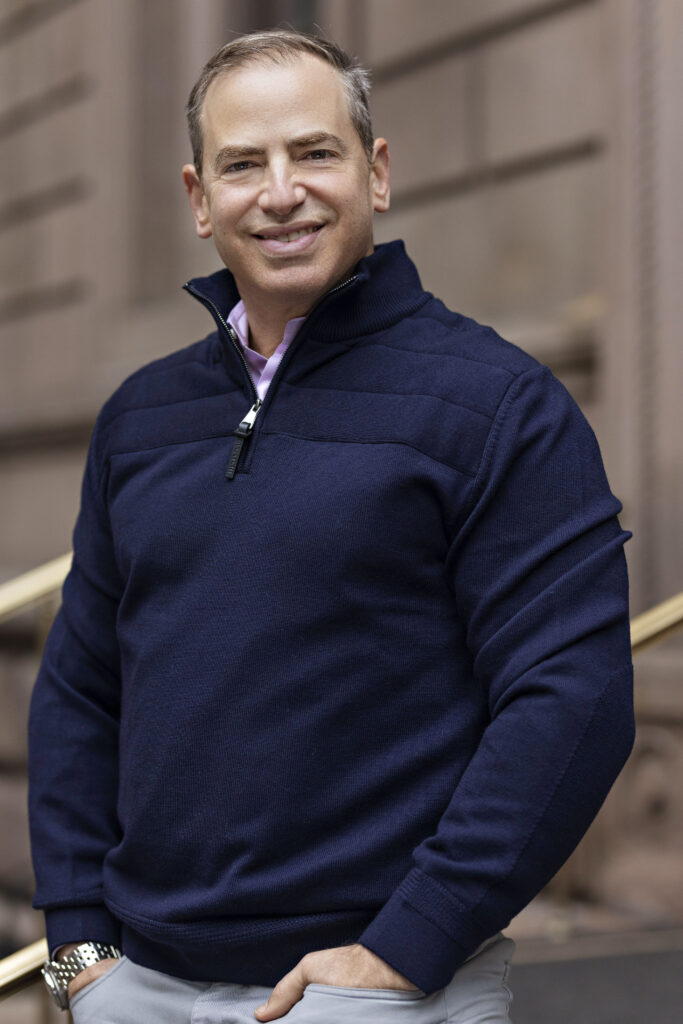
Dan Rootenberg is the CEO of Spear, the only two-time National Practice of the Year award winner. Dan co-founded Spear in 1999, working out of a small treatment room in midtown Manhattan. He had a singular vision for combining clinical excellence with a five-star customer service experience. Spear has since grown to 77 locations throughout NYC, Westchester, Long Island, New Jersey, and CT, employing over 1,100 people and is continuing to expand further.