
Guest Blog: Preparing the Next Generation of Physical Therapists Starts Today
By Celia Chomón Zamora, Ph.D., CAE, AAiP, Executive Director of the American Council of Academic Physical Therapy (ACAPT)
When we talk about the future of physical therapy, much of the conversation understandably focuses on the challenges facing the profession today: workforce shortages, reimbursement, student debt, access to care, rapidly evolving technology, and increasing demands on clinicians and health systems.
At the American Council of Academic Physical Therapy (ACAPT), we spend a great deal of time thinking about those same issues from another point in the professional pipeline: the places where future physical therapists are being educated today.
Our members are the institutions, educators, researchers, clinical partners, and leaders responsible for preparing the next generation of physical therapists. That gives academic physical therapy both an extraordinary opportunity and a significant responsibility.
The students entering Doctor of Physical Therapy (DPT) programs today will practice in a healthcare environment that continues to evolve. Preparing them well requires academic programs to anticipate changes to the PT care setting, promote innovation, build strong partnerships with the clinical community, and give students the skills to help shape the profession they are entering.
Connecting Education to the Realities of Practice
Academic and clinical physical therapy are deeply intertwined.
Reimbursement affects the career decisions students make. Workforce shortages affect clinical education. Administrative burden affects how clinicians practice and how students experience clinical practice during their training. Advances in artificial intelligence and digital health are already changing documentation, education, research, and patient care.
Patient access is connected to all these issues.
For ACAPT, that means our work in education must remain connected to what is happening across the profession.
One example is our Blueprint for Excellence in Academic Physical Therapy, developed by leaders across academic physical therapy to provide programs with practical strategies, examples, and frameworks for strengthening education. The Blueprint addresses curriculum development, assessment, leadership, and continuous improvement, while recognizing that excellence can look different across institutions and communities.
That philosophy carries into ACAPT’s broader strategic direction. Our current priorities (in no particular order) include academic excellence, data for impact, leadership and influence, a connected and engaged community, and organizational vitality. Together, they reflect a simple idea: strong academic programs are foundational to a strong profession.
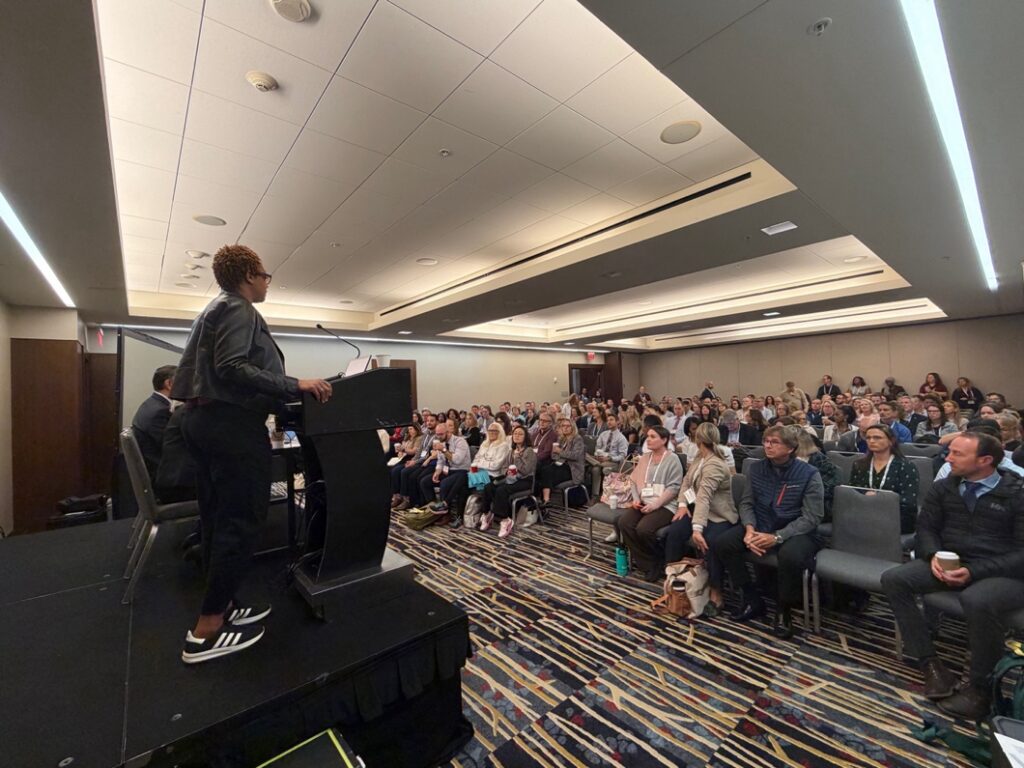
Kimberly Varnado, PT, DPT, DHSc, OCS, FAAOMPT, former president of ACAPT, presents at the 2026 Physical Therapy Education Leadership Conference.
Using Better Data to Understand Our Workforce
We also require better information about the pathway into and throughout the profession.
ACAPT’s Institutional Profile Survey and related data initiatives are helping us better understand trends within academic physical therapy, from admissions and enrollment to faculty and program characteristics. We are continuing to build the infrastructure necessary to make that information increasingly useful to programs and to the profession.
Data becomes paramount when organizations ask questions together.
That is one reason I am excited about opportunities for ACAPT and APTQI to collaborate around workforce research, including understanding the career intentions of DPT students and early-career professionals. The profession needs a clearer picture of what students are thinking as they prepare to enter practice: where they want to work, what influences those decisions, what may pull them away from patient care, and what could help them build sustainable careers within physical therapy.
Those insights can inform education, inform employers, and strengthen advocacy.
Developing Leaders at Every Stage
Additionally, preparing the workforce also means investing in the people who teach, mentor, and lead it.
Faculty and leadership development remain significant areas of focus for ACAPT. Through initiatives such as ELEVATE, our emerging leadership experience, we are creating opportunities for people within academic physical therapy to strengthen their leadership capacity, build relationships across institutions, and prepare for increasing responsibility within the profession.
We are also investing directly in students. FORGE, which stands for Foundations for Readiness, Growth, & Excellence, is designed to help DPT students strengthen the professional and interpersonal skills that are essential to success in clinical practice. Communication, adaptability, collaboration, self-awareness, and other so-called “soft skills” are central to how future physical therapists work with patients, colleagues, clinical instructors, and healthcare teams.
Our educational programming more broadly addresses the practical challenges facing faculty and programs, including curriculum design, strategic planning, clinical education, scholarship, technology, and the responsible use of artificial intelligence.
Developing the next generation requires attention at every level of the pipeline. By supporting students, faculty, mentors, and emerging leaders, we can build a workforce prepared to navigate change, contribute meaningfully to the profession, and lead with competence and confidence.
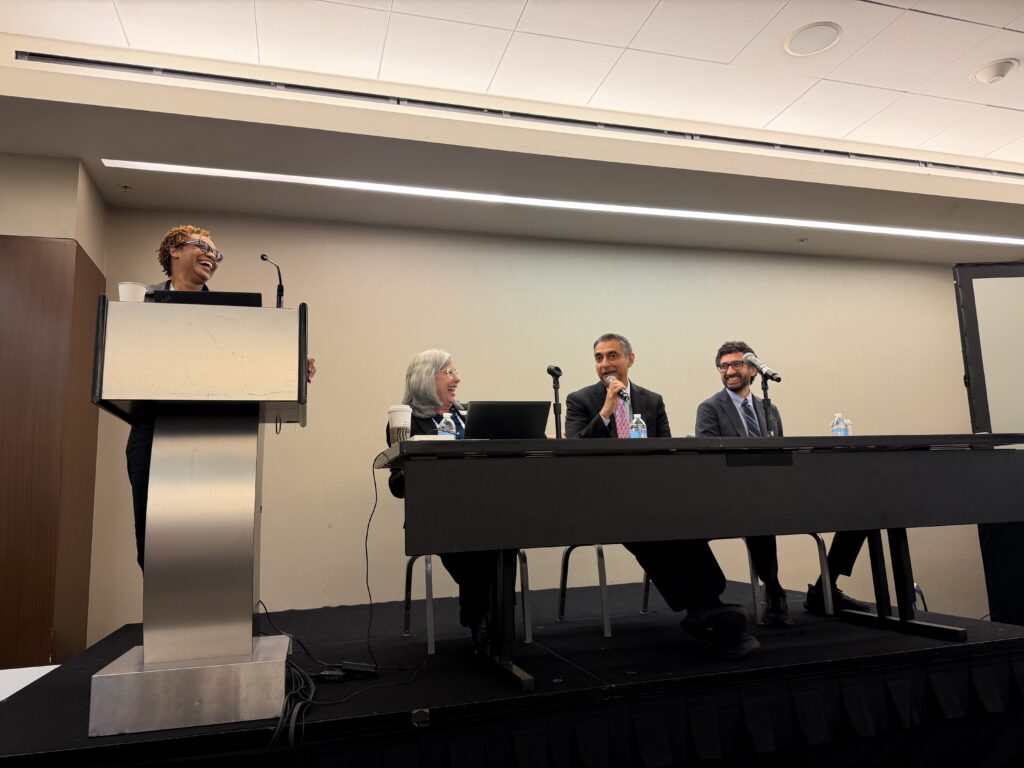
Panel discussion at the 2026 Physical Therapy Education Leadership Conference. Left to right: Kimberly Varnado, PT, DPT, DHSc, OCS, FAAOMPT; Beth Moody Jones, PT, DPT, EdD, OCS; Nick Patel, PT, DPT; and Simon Hargus, PT, DPT, MBA
Teaching Advocacy as Part of Professional Responsibility
Advocacy belongs in this conversation as well.
Students need opportunities to understand how decisions made by Congress, federal agencies, accreditors, institutions, payers, and other stakeholders ultimately affect the patients and communities they will serve.
APTQI has demonstrated the value of bringing students directly into that process, including engaging DPT students in Capitol Hill advocacy and conversations about how federal policy affects patient access and clinical practice. Those experiences matter!
A student who understands reimbursement policy, workforce policy, student loan policy, and access-to-care issues enters the profession with a broader understanding of their role within healthcare. They begin to see advocacy as part of professional leadership and as one of the ways physical therapists can help improve the systems in which they practice.
At ACAPT, we are working to strengthen our advocacy voice, particularly on issues affecting higher education, the physical therapy workforce, and the ability of academic programs to prepare future clinicians.

Roundtable discussion at the 2026 Physical Therapy Education Leadership Conference.
The Future of the Profession Is a Shared Responsibility
There is no single organization responsible for solving the workforce challenges facing physical therapy.
Academic programs see one part of the picture. Employers and practicing clinicians see another. Students bring an essential perspective. Researchers, policymakers, payers, patients, and professional organizations each contribute additional information and experience.
Our opportunity is to connect those perspectives more intentionally.
ACAPT is proud to represent the academic physical therapy community in that work. We want our graduates to enter the profession clinically prepared, intellectually curious, adaptable, technologically capable, engaged in advocacy, and ready to lead.
Ultimately, the quality of physical therapy tomorrow depends on the decisions we make today about education, workforce development, innovation, and policy.
That makes preparing the next generation a responsibility shared across our profession, and one worthy of our collective attention.
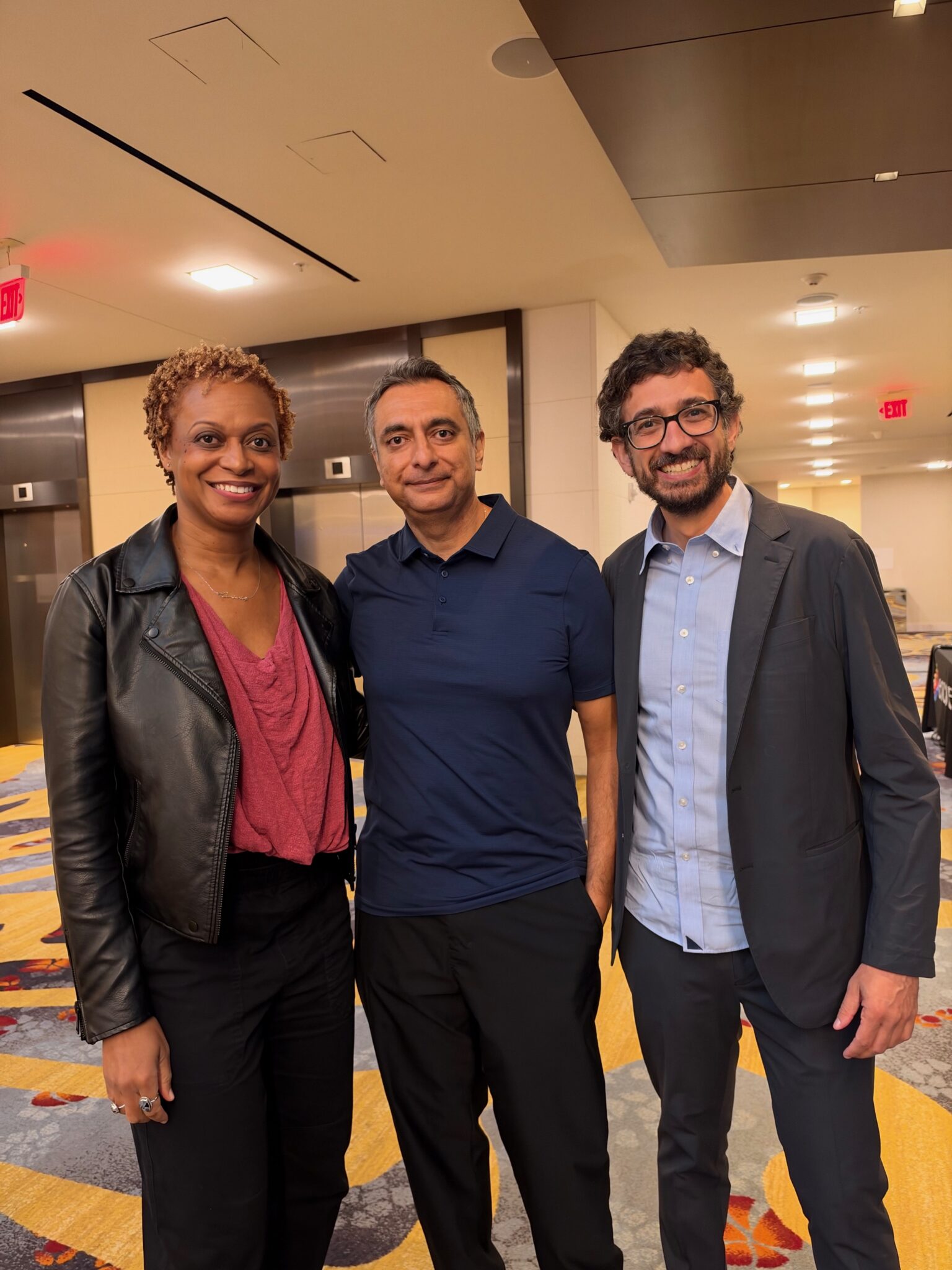
Left to right: Kimberly Varnado, PT, DPT, DHSc, OCS, FAAOMPT, former president of ACAPT; Nick Patel, PT, DPT, executive director of APTQI; and Simon Hargus, PT, DPT, MBA, Owner & CEO at First Settlement Physical Therapy
About the Author
Celia Chomón Zamora, Ph.D., CAE, AAiP, is Executive Director of the American Council of Academic Physical Therapy (ACAPT), the national association representing academic physical therapy. In her role, she works with academic leaders, educators, clinicians, researchers, and partners across the profession to advance excellence, innovation, leadership, and collaboration in physical therapy education.